Most homeowners never think about their dryer vent until something goes wrong. Yet this simple metal or flexible duct is one of the most common sources of residential fires in the United States.
According to the National Fire Protection Association (NFPA), clothes dryers are involved in thousands of home fires every year — and the leading cause is something preventable: lint buildup.
The Alarming NFPA Statistics
Based on NFPA research covering 2014–2018:
- U.S. fire departments responded to an average of 13,820 home structure fires per year in which dryers were involved in the ignition.
- These fires caused an average of 7 civilian deaths, 344 civilian injuries, and $233 million in direct property damage annually.
- 32% of dryer fires were caused by a “failure to clean” — primarily lint accumulation.
- 27% of dryer fires started when dust, fiber, or lint ignited.
In short: dryer vent fire hazard is not a rare or theoretical risk. It happens every day in ordinary homes.
Why Lint Buildup Creates a Fire Risk
Lint is highly flammable. When it accumulates inside the dryer, the lint trap, or the exhaust vent, it restricts airflow. Restricted airflow forces the dryer to run hotter and longer. Over time, the combination of high heat + dry lint can lead to ignition — a classic lint buildup fire.
The problem is often hidden. You may clean the lint screen after every load, but lint still travels into the vent duct, elbows, and outdoor termination. Long runs, flexible plastic or foil ducts, and crushed or kinked vents make the problem worse.
Warning Signs Your Dryer Vent Is Dangerous
- Clothes take much longer than usual to dry (or need two cycles)
- The dryer or laundry room feels unusually hot
- A burning or musty smell during operation
- Visible lint around the outdoor vent flap
- The outdoor vent flap does not open freely
- Excessive lint collecting around the dryer itself
Laundry Room Safety Tips That Actually Work
Follow these practical laundry room safety tips to reduce risk:
- Clean the lint screen before or after every single load.
- Have the entire dryer vent system professionally cleaned at least once a year (more often in large households or long vent runs).
- Use only rigid or semi-rigid metal ducting — never plastic or thin foil.
- Keep the outdoor vent clear of snow, leaves, bird nests, and debris.
- Do not overload the dryer.
- Never leave the dryer running when you leave the house or go to sleep.
- Install and maintain working smoke alarms near the laundry area.
- Make sure the dryer is properly leveled and has adequate clearance around it.
Professional Cleaning vs. DIY
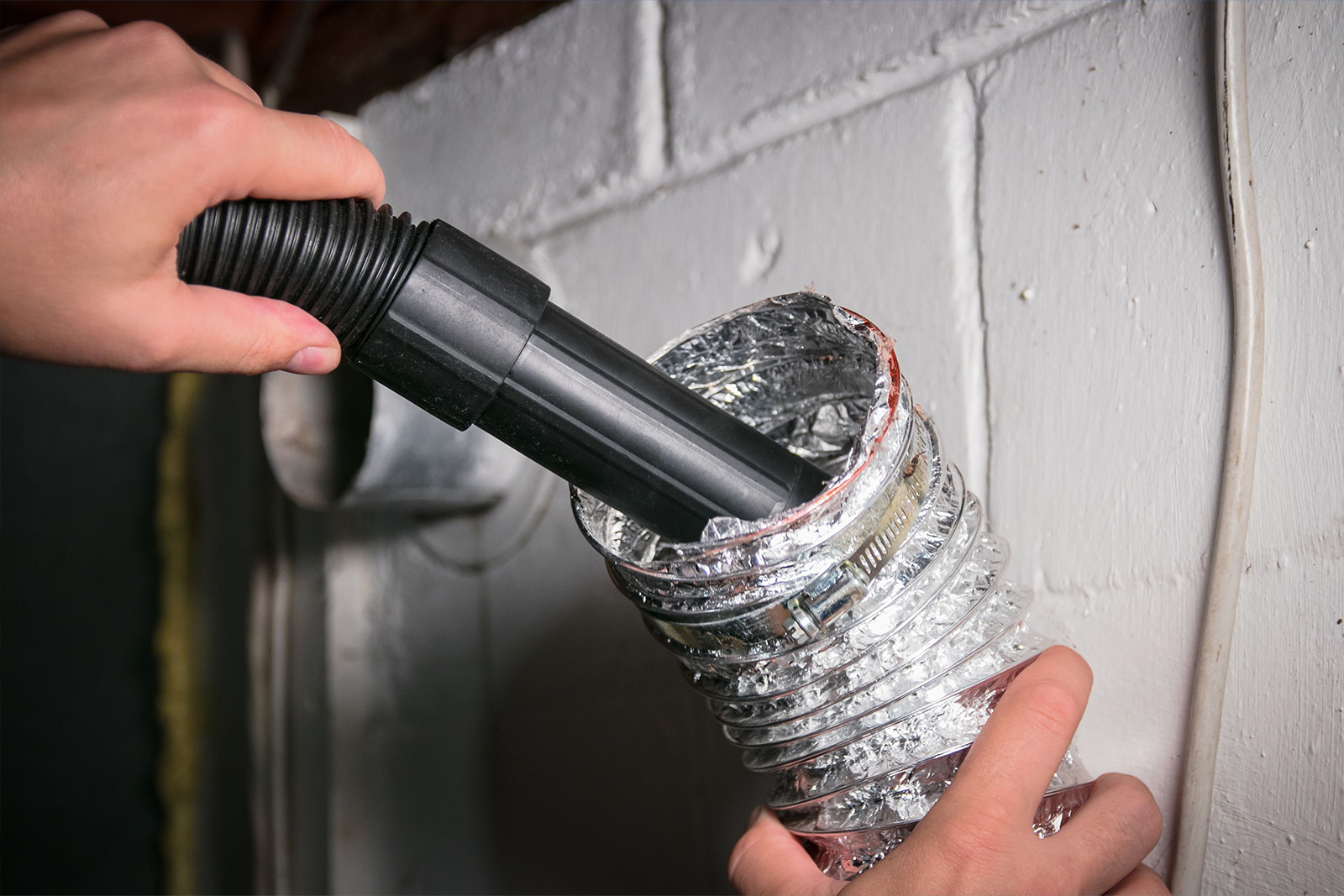
Cleaning the lint trap is easy. Thoroughly cleaning the full length of the vent duct — especially if it runs through walls, ceilings, or attics — is not. Professional technicians use specialized brushes, high-powered vacuums, and cameras to remove years of packed lint that home tools simply cannot reach.
Regular professional dryer vent cleaning is one of the most cost-effective fire-prevention steps you can take.
Final Warning
A dryer vent fire can start silently and spread quickly. The statistics from the NFPA make it clear: most of these fires are preventable with proper maintenance.
Don’t wait for the smell of burning lint or a longer-than-usual drying cycle. Protect your home, your family, and your property by treating dryer vent maintenance as a critical safety task — not an optional chore.
Protect Your Home Today
Schedule a professional dryer vent inspection and cleaning. Our technicians use the right equipment to remove dangerous lint buildup and restore safe airflow — helping you avoid becoming another NFPA statistic.
Get a Free Cleaning Quote

609-205-3555

aircareproinc@gmail.com

9AM - 5PM
MON - SAT
about us